Is This a Prime Location for This Type of Use?
When analyzing an investment property, one of the most critical questions you need to ask before diving into financials is “does this property sit in a prime location for its intended use?”. Location is arguably the most important factor in real estate, and it can make or break the success of your investment. Unlike other aspects of a property, the location cannot be changed. You can renovate a building, replace the roof, update the mechanicals, and even change the use of a space in many circumstances, but you cannot pick up a building and move it to a better street corner. This immovable characteristic makes location analysis one of the most important steps in evaluating any investment property.
A property that sits in the perfect location for its intended use will command stronger rental rates, experience lower vacancy rates, attract higher quality tenants, appreciate in value more consistently over time, and sell more quickly when you decide to exit the investment.
What Makes a Location "Prime" for a Specific Use?
The concept of a prime location is not universal. What makes a location ideal for one type of business can make it completely unsuitable for another. Here are some examples of how location requirements differ by use:
Retail: Retail businesses thrive on visibility and traffic. A prime retail location typically features high vehicle and foot traffic counts, strong visibility from the road, easy access and ingress/egress, proximity to complementary businesses, and ample parking. A clothing boutique tucked away on a quiet side street with limited parking is going to struggle regardless of how talented the owner is or how beautiful the merchandise might be.
Restaurant: Restaurants share many of the same needs as retail, but with additional considerations. Drive-through capability has become increasingly important in today's market, with many national chains reporting revenue increases of up to 20% when a drive-through lane is added. Proximity to residential neighborhoods, daytime worker populations, and other dining destinations can also play a significant role in a restaurant's success.
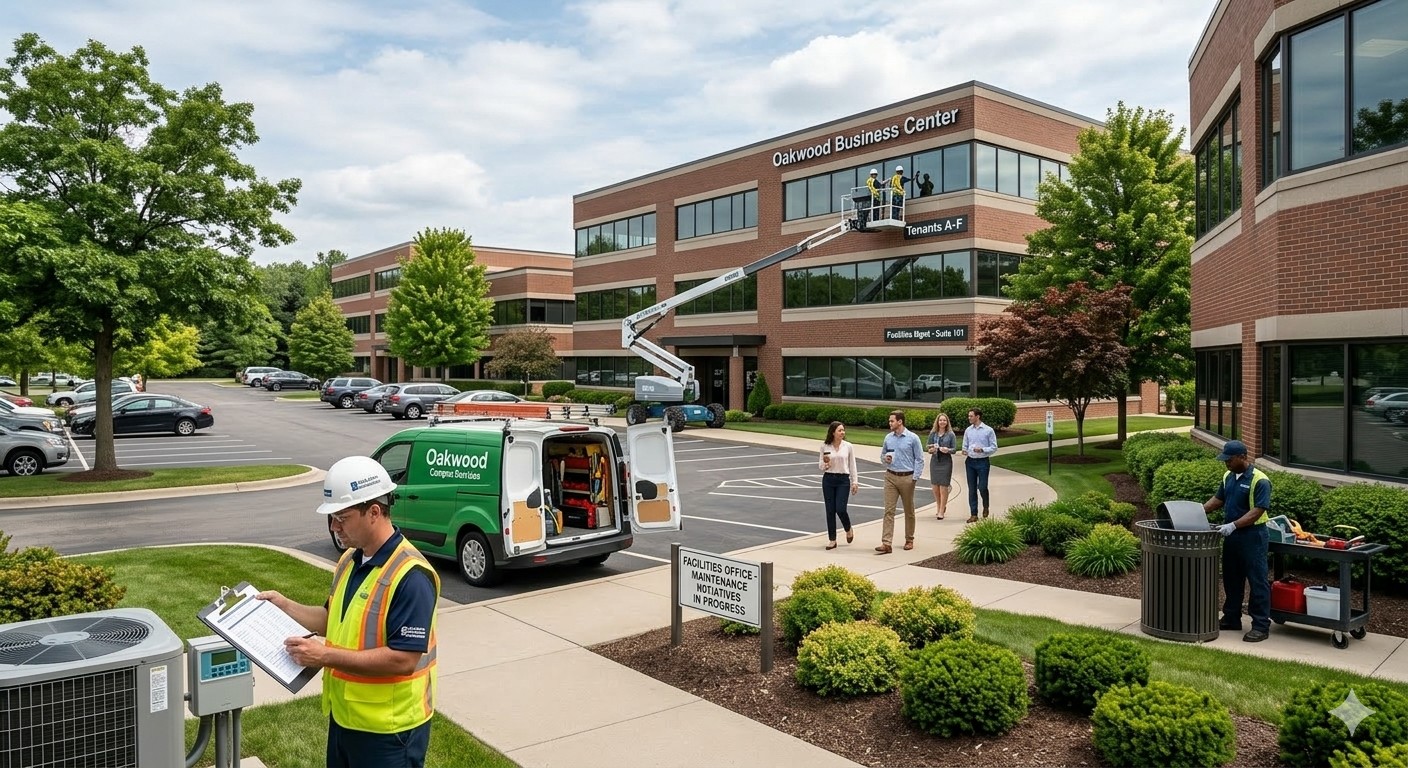
Office: Professional office users often prioritize a slightly different set of location characteristics. Easy access from major roadways, proximity to amenities such as restaurants and banks, adequate parking for employees and clients, and a professional image are all important factors. A law firm or medical office in an industrial park may struggle to attract clients who associate location with professionalism and quality of service.
Industrial & Warehouse: For industrial and distribution users, the priority shifts to different factors altogether. Access to highways or rail lines, ceiling height, loading dock availability, and proximity to a skilled labor pool become the dominant considerations. Being located on a high traffic retail corridor adds no value to a warehouse user and may actually increase costs without providing any benefit.
In order to evaluate a location to determine if it sits in a prime location for its current or intended use, consider asking the following questions:
Traffic: What are the daily vehicle counts on the road? Is foot traffic important for this use and if so, how much is generated in the area? Are the traffic patterns consistent or seasonal?
Visibility: Can the building be clearly seen from the road? Is signage visible to passing traffic? Are there obstructions like trees, other buildings, or curves in the road that limit visibility?
Access: How easy is it for customers, employees, and delivery vehicles to access the property? Are there traffic signals, turn lanes, or median cuts that help or hinder access? Is there adequate parking and is it conveniently located?
Demographics: Does the surrounding population match the target customer base for the type of business that will occupy the space? If a tenant is selling premium products, are there enough households with income levels to support that business within a reasonable trade area?
Competitive & Complementary Businesses: Are there complementary businesses nearby that will help drive traffic to the property? Conversely, are there so many competitors in the immediate area that the tenant will struggle to capture enough market share to be successful?
Future Development: What is planned for the area surrounding the property? A location that seems marginal today might become prime in five years if the right infrastructure or development is coming. On the other hand, a location that seems strong today might deteriorate if major employers leave or if new infrastructure redirects traffic away from the area.
The Relationship Between Location and Financial Performance
Poor location choices lead directly to poor financial performance. A property in a marginal location will experience higher vacancy rates, lower rental rates, and more frequent tenant turnover. Each time a tenant leaves, the owner faces the cost of marketing the space, negotiating a new lease, building out the space for the new tenant, and often offering months of free rent as an incentive. These costs can quickly erode any initial savings that came from purchasing a property at a lower price point.
On the other hand, a property in a truly prime location for its intended use tends to attract stable, financially sound tenants who renew their leases because the location is performing well for their business. When tenants are succeeding, they pay their rent on time, take care of the space, and become long-term partners in your investment rather than a source of ongoing headaches.
Working with a Professional
Evaluating location is part science and part art. The science involves gathering and analyzing data on traffic counts, demographics, competitive density, and market trends. The art involves synthesizing all of that information into a judgment about whether a specific location will support the long-term success of a specific type of use. A knowledgeable commercial real estate professional can help you navigate both sides of this analysis. With access to demographic tools, traffic data, and deep knowledge of the local market, a good commercial agent can help you avoid the costly mistake of purchasing a property that looks attractive on paper but sits in a location that will consistently underperform. Before you fall in love with the income of any property, make sure you have honestly answered the question of whether the location is truly prime for its intended use. If the answer is anything less than a confident yes, proceed with caution and make sure the purchase price reflects the location risk you are taking on.